
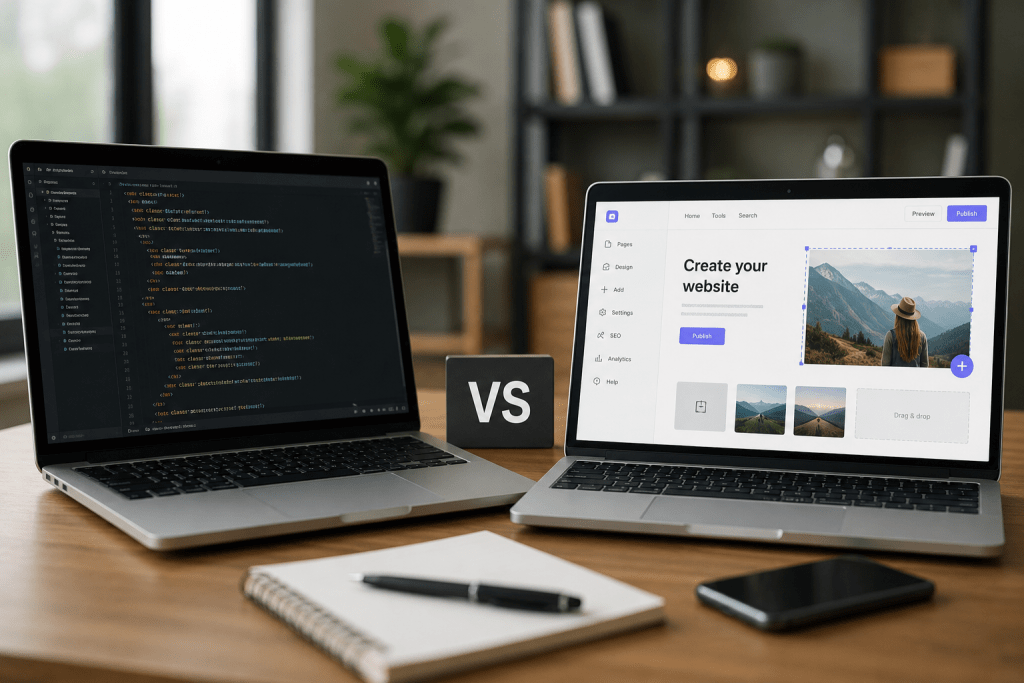

Launching an online store has never been easier.
Building one that consistently ranks on Google, converts visitors, and scales profitably? That is a completely different challenge.
Many businesses discover this after the excitement of launch fades. Traffic stays low. Bounce rates rise. Product pages load slowly. Marketing costs increase. Suddenly, the “easy” website solution no longer feels so easy.
That is why more brands are carefully comparing professional online store development with DIY website builders in 2026.
The decision affects far more than design.
It influences SEO performance, customer experience, conversion rates, scalability, and long term operating costs.
If you are planning to grow an eCommerce business seriously, this comparison matters.
What Is Online Store Development?
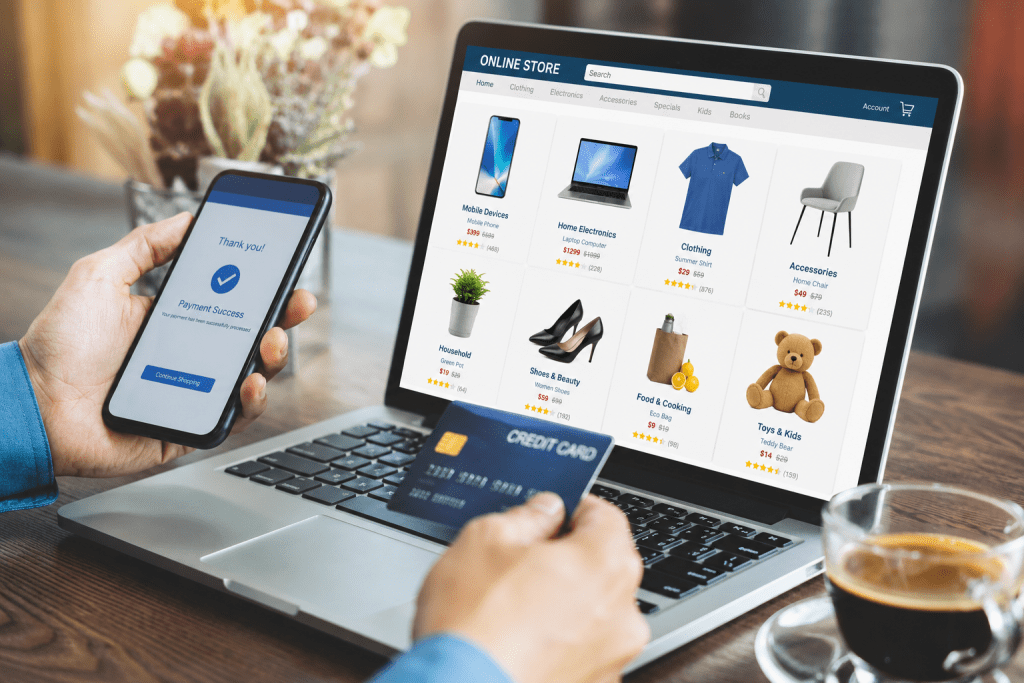
Online store development refers to building a customized eCommerce website tailored to a business’s operational needs, customer journey, and growth strategy.
Unlike basic drag and drop builders, custom development focuses on flexibility, performance, and long term scalability.
This may include:
- Custom product pages
- Advanced filtering systems
- Secure payment integrations
- Mobile optimized design
- Faster website architecture
- CRM and ERP integrations
- Structured SEO implementation
- Multi store or multi currency functionality
Businesses often use professional Shopify Development Services or Magento Development Services when they require more control over their online store’s functionality and growth potential.
This approach usually requires a larger upfront investment, but it offers stronger customization and scalability over time.
What Are Website Builders?
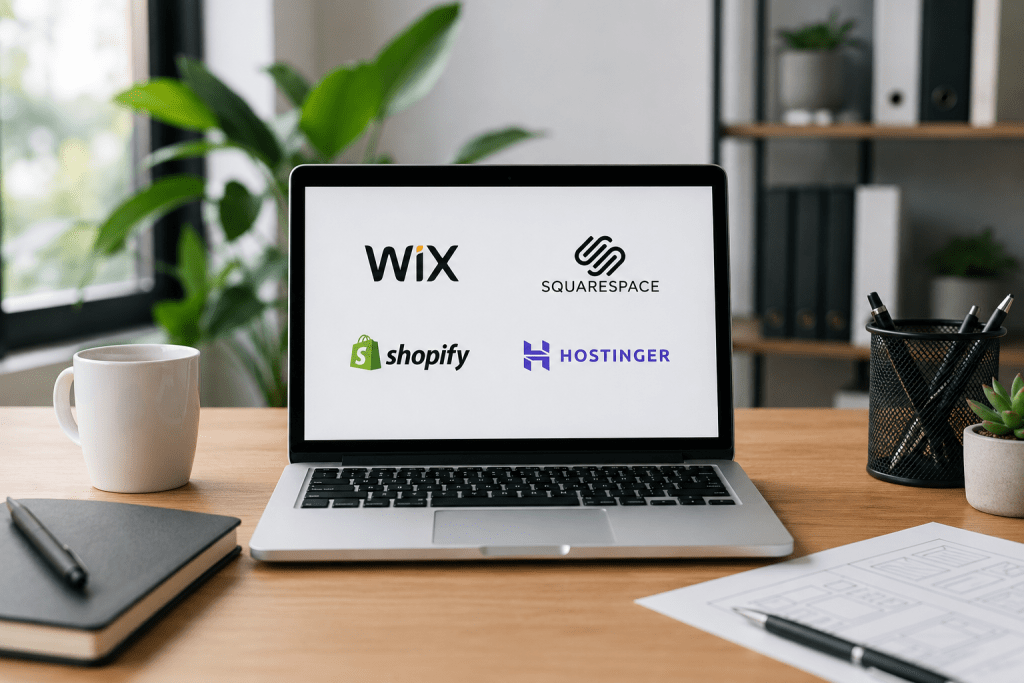
Website builders are platforms designed to simplify website creation without requiring advanced coding knowledge.
Popular options include:
- Wix
- Squarespace
- Shopify
- Hostinger
These platforms are widely used because they offer:
- Faster setup
- Lower initial costs
- Pre designed templates
- Built in hosting
- Basic eCommerce functionality
For startups or small businesses with limited technical requirements, website builders can be practical.
However, they are generally designed for simplicity first. Businesses with complex workflows, aggressive SEO goals, or high traffic demands may eventually face limitations.
Online Store Development vs Website Builders: Key Differences
Here is a realistic comparison based on performance, flexibility, and long term growth.
| Feature | Online Store Development | Website Builders |
| Customization | Highly flexible | Limited to platform tools |
| SEO Control | Advanced | Moderate |
| Scalability | Strong | May become restrictive |
| Site Speed Optimization | Customizable | Platform dependent |
| Integrations | Extensive | Limited by platform |
| Ownership & Flexibility | Greater control | Platform controlled |
| Setup Speed | Longer development time | Faster launch |
| Initial Cost | Higher | Lower |
The better option depends on your business goals, technical needs, and growth plans.
Why SEO Matters More in 2026
Google continues prioritizing websites that provide strong user experiences.
This includes:
- Fast loading pages
- Mobile responsiveness
- Helpful content
- Clear navigation
- Secure browsing
- Structured data
- Optimized Core Web Vitals
According to Google Search Central, page experience and usability remain important factors in overall website quality evaluation.
Many website builders support basic SEO features, but professional online store development provides deeper technical control.
That becomes valuable for businesses targeting competitive search terms or managing large product catalogs.
For example, custom development can help improve:
- URL structure management
- Schema markup implementation
- Crawl efficiency
- Internal linking architecture
- Advanced category optimization
- Custom metadata control
Professional Ecommerce development services are often structured around these long term SEO considerations.
Performance Directly Impacts Conversions
Website speed affects user behavior more than many businesses realize.
Research published by Think with Google has shown that slower mobile loading times increase bounce probability significantly.
In practical terms, customers expect pages to load quickly. If a product page feels slow or difficult to navigate, many users leave before completing a purchase.
Custom online store development allows businesses to optimize:
- Image delivery
- Server response time
- Code efficiency
- Mobile performance
- Checkout experience
Website builders may offer solid performance initially, but heavily customized stores or large product catalogs can become harder to optimize over time.
Branding and Customer Trust
Modern customers evaluate credibility quickly.
A store with inconsistent design, confusing navigation, or generic layouts can reduce trust, even if the products themselves are excellent.
Website builders often rely on shared templates used by thousands of businesses.
Custom development offers more flexibility to create:
- Unique shopping experiences
- Brand specific layouts
- Custom product discovery flows
- Optimized mobile interfaces
- Personalized customer journeys
These details influence how professional and trustworthy a business appears online.
When Website Builders Are the Right Choice
Website builders still make sense in many situations.
They are often suitable for:
- Small startups
- Businesses testing new product ideas
- Limited product catalogs
- Temporary campaigns
- Solo entrepreneurs with smaller budgets
A business selling a few handmade products may not require enterprise level infrastructure immediately.
The challenge usually appears when businesses scale and require deeper functionality or marketing flexibility.
The Growing Role of Integrated eCommerce Strategies
In 2026, successful eCommerce growth depends on more than simply launching a store.
Businesses increasingly combine development with:
- SEO
- Paid advertising
- Email automation
- Conversion optimization
- Analytics tracking
- Customer retention systems
This is why many brands also invest in professional Ecommerce Marketing services alongside development improvements.
A technically strong store performs far better when marketing campaigns begin scaling traffic.
Which Option Is Better in 2026?
Website builders are effective for businesses prioritizing speed, simplicity, and lower startup costs.
Professional online store development is generally better suited for businesses focused on:
- Long term scalability
- Advanced SEO growth
- Custom functionality
- Better performance optimization
- Complex integrations
- Higher conversion potential
There is no universal answer for every business.
The right choice depends on how far you plan to grow and how much flexibility your business model requires.
Also Read:- Top 10 Ecommerce Website Features Every Online Store Needs in 2026
Conclusion
Choosing between online store development and website builders is ultimately a business decision, not just a technical one.
Website builders can help businesses launch quickly and affordably.
Custom online store development provides greater control, stronger scalability, and better long term flexibility for growing brands.
As customer expectations continue rising in 2026, businesses that prioritize user experience, SEO performance, and technical stability are more likely to compete effectively in crowded eCommerce markets.
Your online store is no longer just a digital catalog.
For many businesses, it is the primary sales channel, customer experience platform, and brand touchpoint combined into one.
FAQs
1. Is online store development better for large eCommerce businesses?
Ans. Yes. Large or fast growing eCommerce businesses often benefit from custom online store development because it provides stronger scalability, advanced integrations, and greater flexibility.
2. Are website builders good for SEO?
Ans. Most website builders support basic SEO features. However, custom development typically allows more advanced SEO optimization and technical control.
3. Which platform is best for scalable eCommerce growth?
Ans. Platforms like Shopify and Adobe Commerce are widely used for scalable eCommerce operations when combined with professional development support.
4. Do website builders affect website speed?
Ans. Performance depends on platform structure, theme quality, apps, and customization levels. Some website builders may become harder to optimize as stores grow larger.
5. Why do businesses invest in professional eCommerce development?
Ans. Businesses often invest in professional development to improve scalability, SEO performance, user experience, integrations, and long term conversion optimization.
