
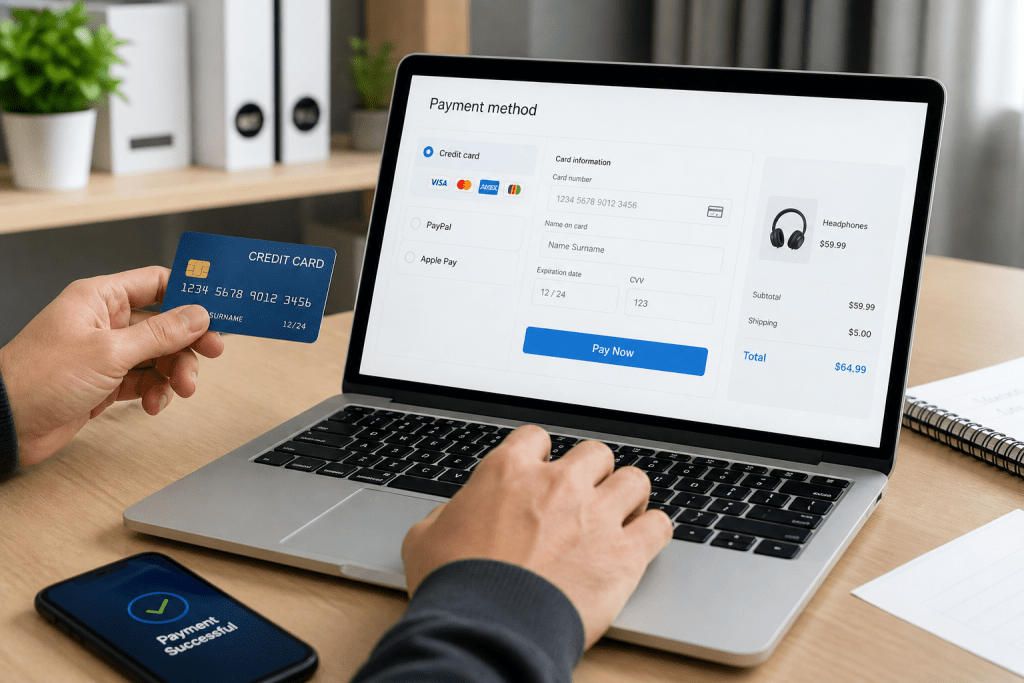

A customer adds products to the cart, reaches checkout, and suddenly stops. No error. No complaint. They just leave.
This happens more often than most store owners realize. Not because the product is bad, but because the payment experience feels confusing, slow, or unsafe.
That is where Payment Gateway Integration plays a critical role.
It is not just about accepting payments. It is about removing hesitation at the exact moment a customer is ready to buy.
What Payment Gateway Integration Really Means for Your Business
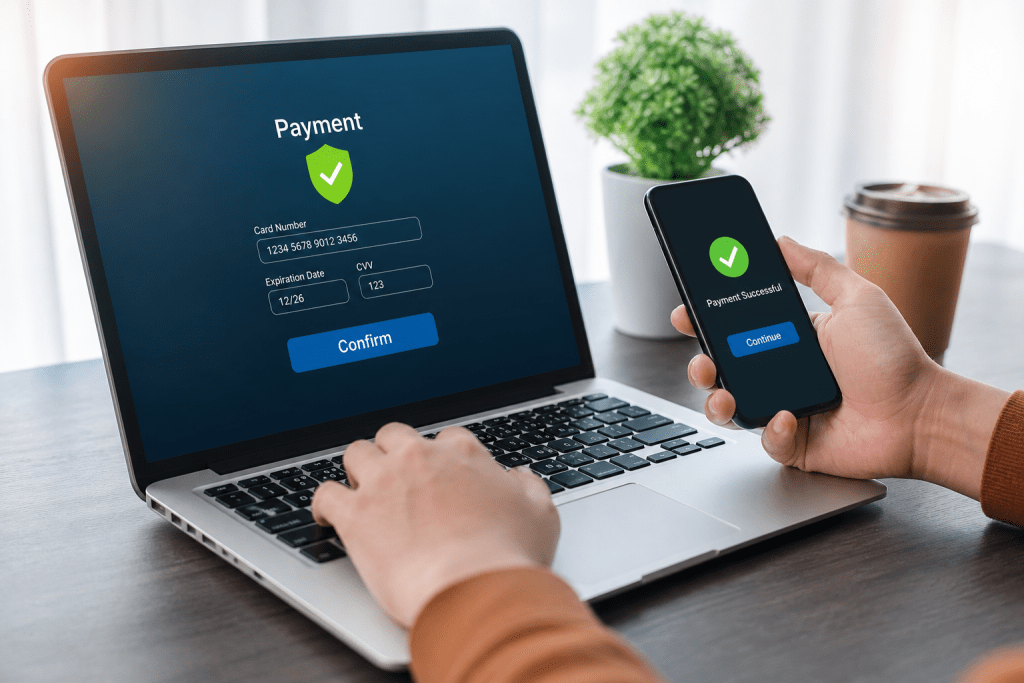
A payment gateway connects your website to a bank and processes transactions securely.
From a business perspective, it answers one key question in the customer’s mind:
“Can I trust this website with my payment?”
If the answer is unclear, the sale is lost.
In simple terms:
- Smooth payment experience increases conversions
- Slow or complicated checkout reduces sales
- Limited payment options push customers away
How Poor Payment Setup Affects Your Sales
Many businesses invest in design and marketing but overlook checkout performance.
Here are common issues that directly impact revenue:
- Customers cannot find their preferred payment method
- Payment page loads slowly
- Redirection feels unfamiliar or unsafe
- Transactions fail without clear feedback
Most customers do not complain. They simply leave.
Also Read – Google AI vs ChatGPT: Best AI Assistant for Everyday Use in the US
Choosing the Right Type of Payment Gateway
The right choice depends on how much control and flexibility your business needs.
Hosted Payment Gateway
Customers are redirected to a third-party page to complete payment.
Best for: Quick setup and minimal technical effort
Advantages:
- Easy to implement
- Strong built-in security
Limitations:
- Less control over user experience
API-Based Payment Gateway
Payments are completed within your website using direct integration.
Best for: Businesses focused on growth and user experience
Advantages:
- Full control over checkout design
- Faster and smoother experience
Consideration:
This requires proper development. Reliable Ecommerce development services help ensure secure and error-free integration.
Key Features That Actually Matter
Focus on features that directly impact customer experience and conversions rate.
- Multiple Payment Options
Offer credit cards, debit cards, UPI, and digital wallets. Customers expect flexibility.
- Speed and Reliability
Fast-loading payment pages build confidence and reduce drop-offs.
- Security Standards
Use gateways that follow PCI compliance and provide secure encryption.
- Mobile Optimization
Ensure the entire payment flow works smoothly on mobile devices.
Step-by-Step Payment Gateway Integration Process
- Step 1: Select the Right Gateway
Choose based on your target audience and business location.
- Step 2: Set Up Merchant Account (If Required)
Some gateways include this, while others need a separate setup.
- Step 3: Integrate with Your Platform
Connect the gateway using available tools or APIs.
For example:
- Shopify Development Services can help optimize and customize checkout for better conversions
- Magento Development Services offer flexibility for advanced and scalable payment setups
- Step 4: Test the Payment Flow
Check successful payments, failed transactions, and user experience across devices.
- Step 5: Go Live and Monitor Performance
Track payment success rates and identify areas for improvement.
Also Read – Top 7 Reasons to Choose Adobe Commerce for Your Online Store in 2026
Common Mistakes to Avoid
Limited Payment Options
Not offering popular methods reduces your chances of conversion.
Complicated Checkout
Extra steps increase friction and lead to drop-offs.
Ignoring Failed Transactions
Monitor failed payments and fix recurring issues quickly.
Poor Mobile Experience
A difficult mobile checkout process leads to lost sales.
How Payment Gateway Integration Supports Growth
An efficient payment system improves overall business performance Marketing.
- Customers complete purchases without hesitation
- Fewer payment failures reduce support issues
- A smooth experience encourages repeat purchases
When combined with strong Ecommerce Marketing services, your store not only attracts visitors but converts them effectively.
Final Thoughts
Payment Gateway Integration is a key part of your sales process.
Customers expect fast, secure, and simple transactions. If your checkout meets these expectations, conversions improve naturally.
If not, even high traffic will not translate into sales.
Improving your payment experience is one of the most practical steps you can take to grow your e-commerce business.
FAQs
1. What is Payment Gateway Integration?
Ans. It is the process of connecting your website to a system that securely processes online payments.
2. How long does integration take?
Ans. Basic setups can take a few hours, while custom integrations may take a few days.
3. Which payment gateway is best for small businesses?
Ans. Hosted gateways are suitable because they are easy to set up and maintain.
4. Can I offer multiple payment options?
Ans. Yes, offering multiple options improves customer convenience and conversion rates.
5. Is Payment Gateway Integration secure?
Ans. Yes, when implemented with proper security standards such as encryption and compliance protocols.
