
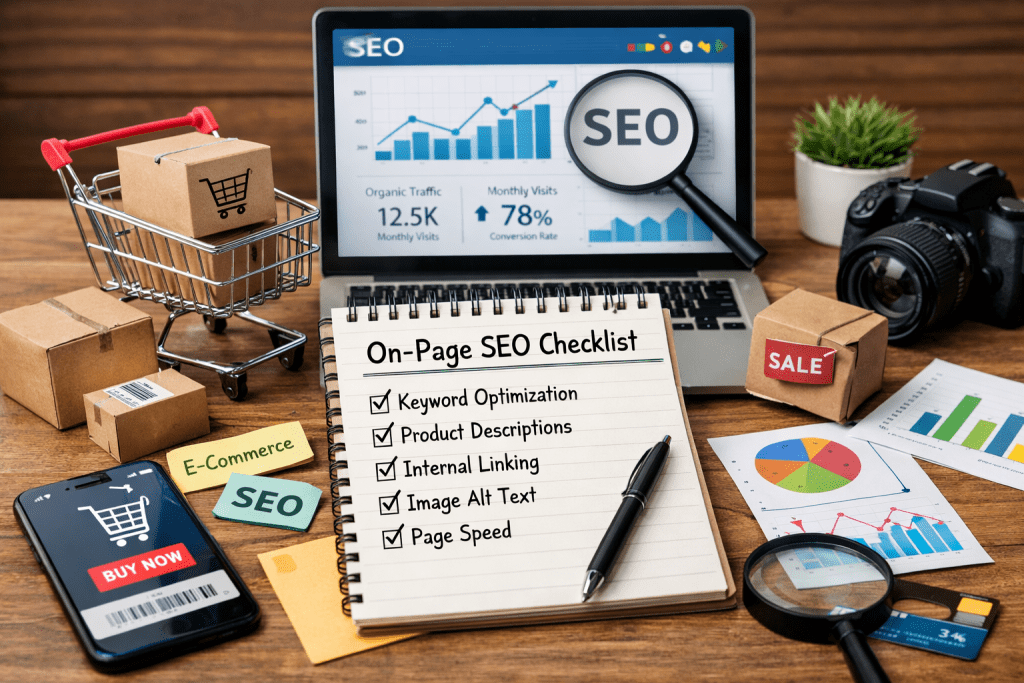

A well-designed ecommerce store can still struggle to generate sales if search engines cannot clearly understand its pages.
That gap often comes down to on-page SEO.
According to Google’s own documentation, ranking is influenced by relevance, usability, and content quality. Not tricks. Not shortcuts. If your product pages fail to communicate value clearly, both users and search engines move on.
This On-Page SEO Checklist reflects what actually works in 2026, based on search intent, user experience, and structured content.
Why On-Page SEO Directly Impacts Ecommerce Revenue
On-page SEO is not just about rankings. It influences:
- Click-through rate from search results
- Time spent on product pages
- Conversion decisions
Google evaluates signals like helpful content, page experience, and relevance. If users land on your page and quickly leave, it sends a negative signal over time.
So yes, optimization affects revenue. Not indirectly. Very directly.
1. Keyword Mapping Based on Search Intent
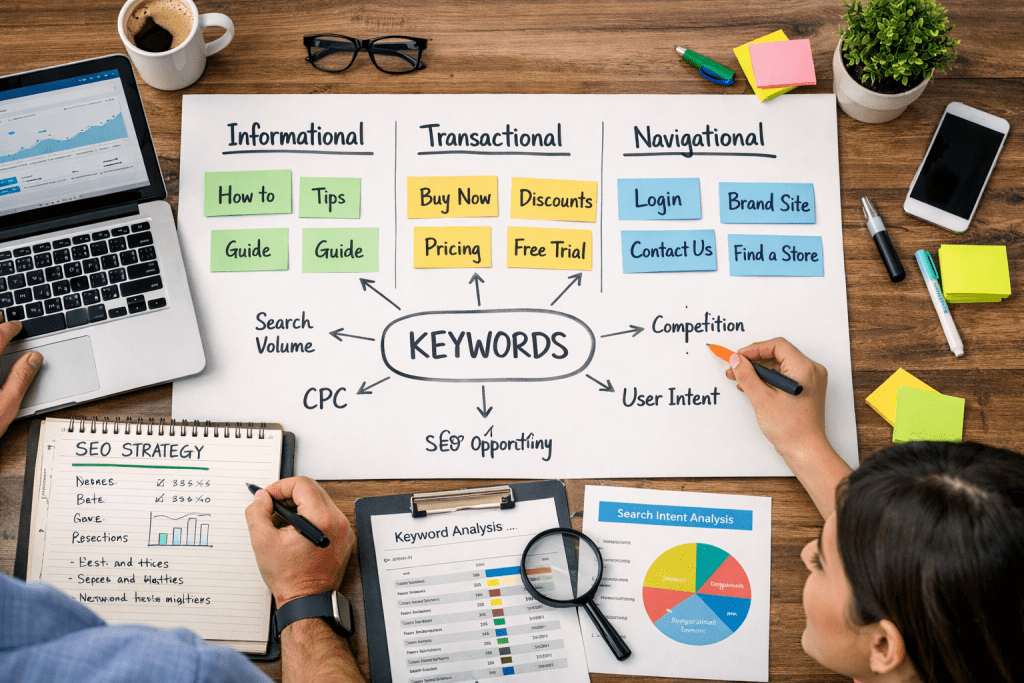
Modern SEO begins with intent, not just keywords.
Each page should target:
- One primary keyword
- Closely related variations
- Clear buyer intent phrases
Example:
Instead of targeting only “running shoes,” optimize for:
- best running shoes for beginners
- breathable running shoes for summer
- lightweight sports shoes for daily use
This aligns with how users search today.
Businesses that scale this properly often rely on structured Digital Marketing Services to map keywords across categories and products.
2. Optimized Title Tags That Reflect Page Value
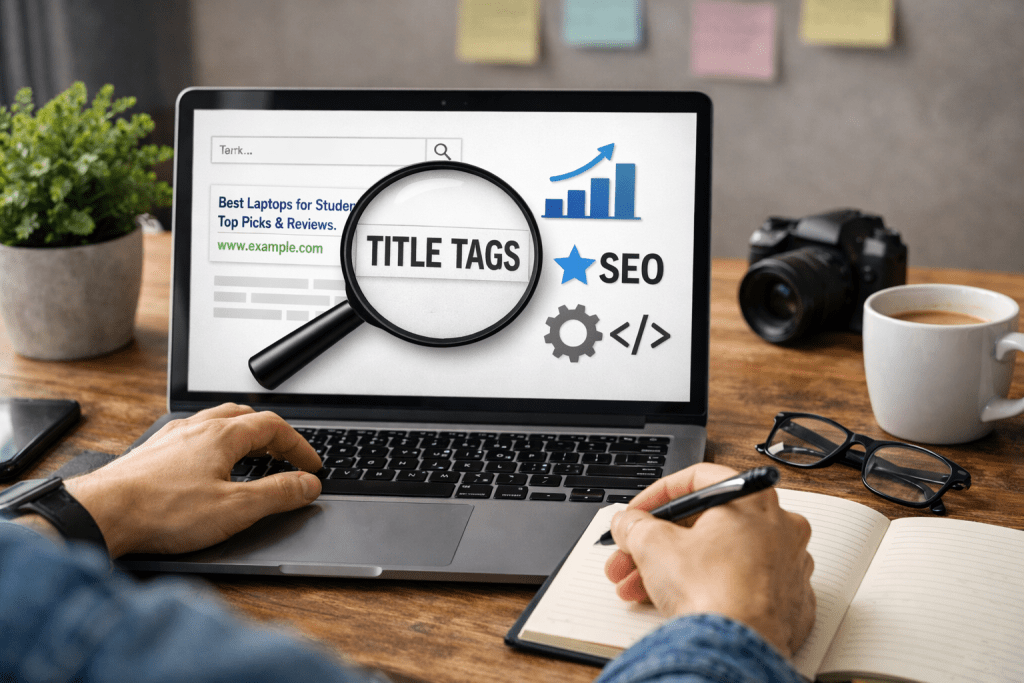
Title tags remain a confirmed ranking factor.
Best practices:
- Keep within 50 to 60 characters
- Include the primary keyword naturally
- Add context or value
Example:
Men’s Lightweight Running Shoes for Daily Comfort
Avoid vague or generic titles. Clarity improves both rankings and clicks.
3. Meta Descriptions That Improve Click-Through Rate
Meta descriptions are not a direct ranking factor, but they influence clicks.
Write them to:
- Summarize the page clearly
- Highlight one key benefit
- Include the main keyword naturally
Example:
Explore lightweight running shoes designed for comfort and durability. Ideal for daily training and long runs.
Google may rewrite them, but optimized descriptions still improve visibility in many cases.
4. SEO-Friendly URL Structure
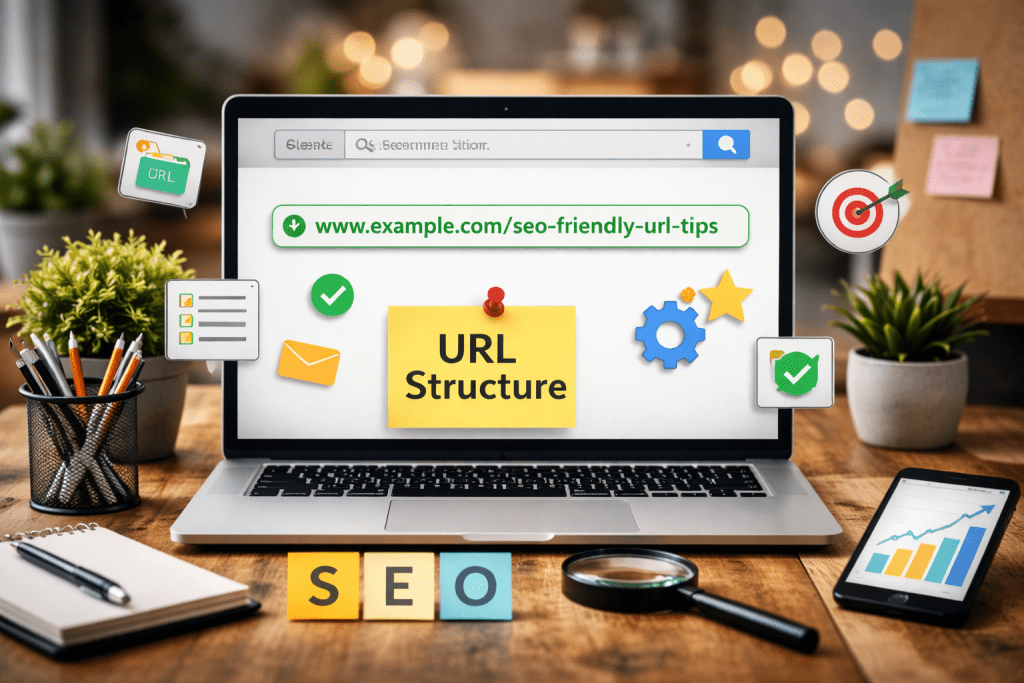
Clear URLs help both users and search engines understand page content.
Best practices:
- Keep URLs short
- Use readable words
- Include the main keyword
Example:
yourstore.com/mens-running-shoes
Avoid unnecessary parameters or random strings.
Also Read – How Fashion Brands Can Boost Sales in 2026 Using Magento & Shopify AI Tools
5. High-Quality Product Content
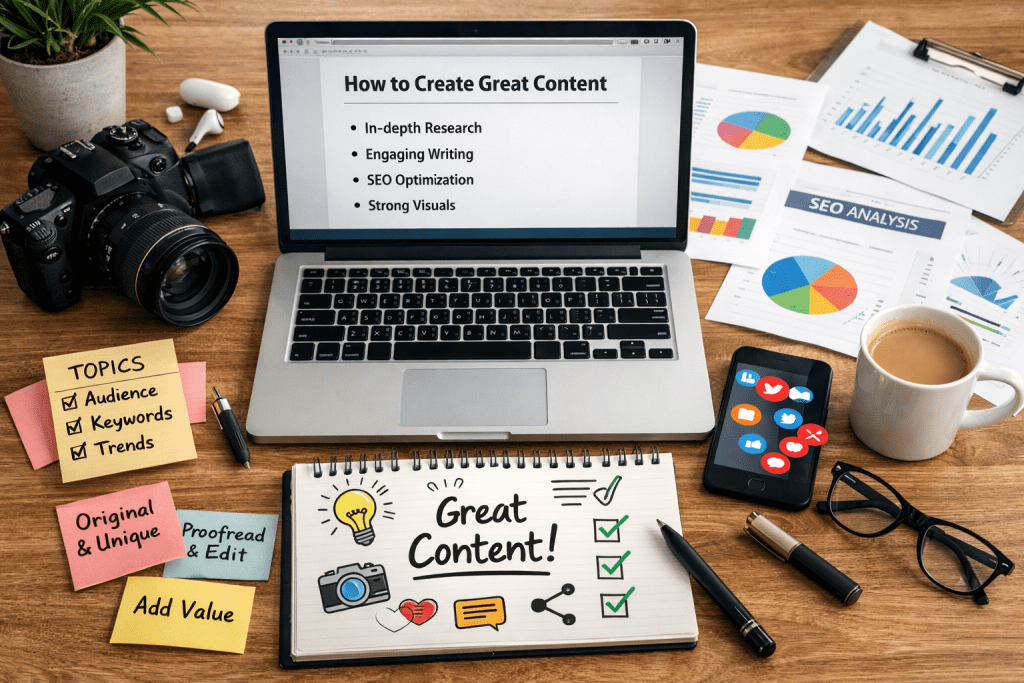
Google’s Helpful Content system prioritizes original, useful content.
For product pages:
- Write unique descriptions
- Focus on benefits and usage
- Avoid copying manufacturer text
Example:
Instead of “breathable mesh material,” explain:
Designed to improve airflow, helping reduce sweat buildup during long workouts.
This builds trust and improves engagement.
For scaling content across large catalogs, many brands use Search Engine Optimization Services to maintain consistency and quality.
6. Proper Use of Header Tags
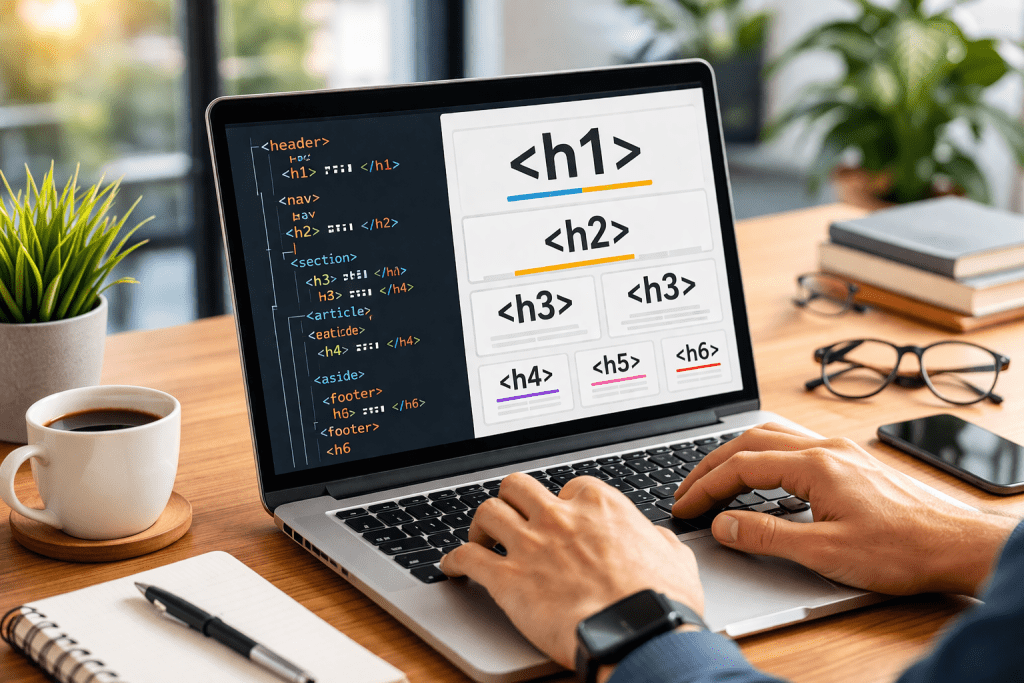
Header tags structure your content and improve readability.
Use:
- H1 for product or page title
- H2 for key sections like features, specifications
- H3 for supporting details
This helps search engines understand content hierarchy and improves user navigation.
7. Image Optimization for Search and Speed
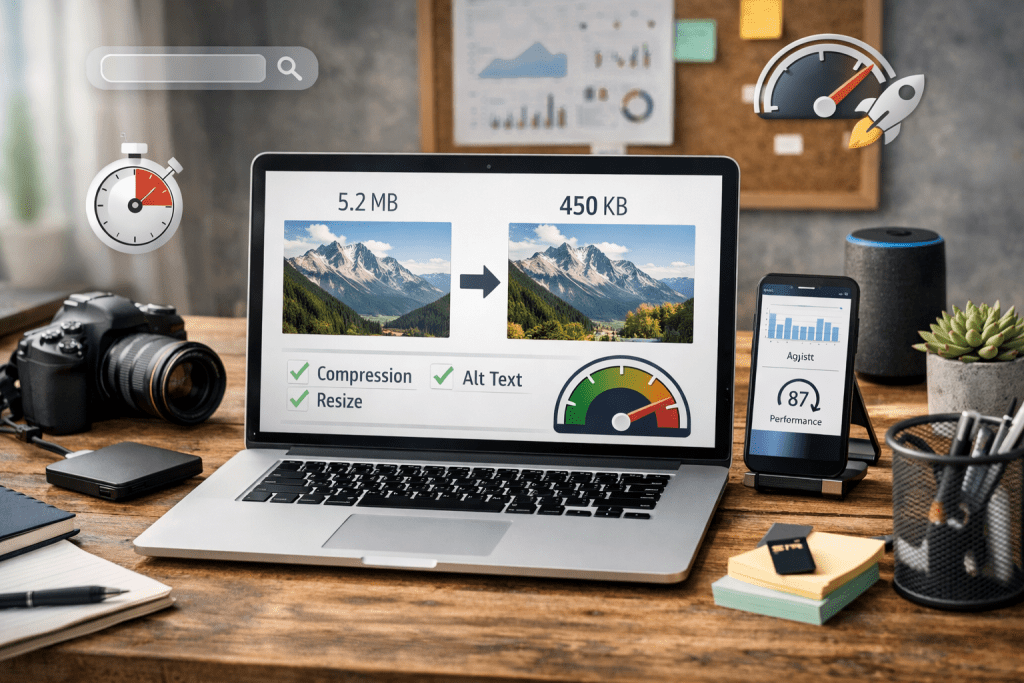
Images contribute to both SEO and user experience.
Optimize by:
- Using descriptive file names
- Adding relevant alt text
- Compressing images for faster loading
Example Alt Text:
Men’s blue lightweight running shoes
Image optimization also supports accessibility, which is a recognized usability factor.
8. Internal Linking for Better Crawlability
Internal links help search engines discover and understand your site structure.
They also improve user navigation.
Link:
- Category pages to related products
- Blog content to product pages
- Related products within listings
A structured linking strategy is often part of broader Ecommerce Marketing services to improve both SEO and conversions.
Also Read – How to Use ChatGPT for SEO Keyword Research in 2026 (Step-by-Step Guide)
9. Mobile Optimization and Page Experience
Google uses mobile-first indexing. Your mobile site is the primary version considered for ranking.
Ensure:
- Responsive design
- Fast loading speed
- Easy navigation
Poor mobile usability leads to higher bounce rates and lower engagement.
10. Structured Data (Schema Markup)
Structured data helps search engines display rich results.
For ecommerce, implement:
- Product schema
- Price
- Availability
- Review ratings
While schema does not guarantee rankings, it improves how your listing appears in search results.
11. Page Speed Optimization
Page speed is part of Google’s page experience signals.
Key areas:
- Optimize images
- Minimize scripts
- Use efficient hosting
Research consistently shows that slower pages reduce conversion rates, especially on mobile devices.
12. User Experience Signals and Engagement
Search engines observe how users interact with your site.
Important signals include:
- Time on page
- Pages per session
- Interaction with content
Improve engagement by:
- Adding FAQs to product pages
- Including real customer reviews
- Providing clear calls to action
Good UX supports both SEO and conversions.
Quick On-Page SEO Checklist
- Targeted keyword for each page
- Optimized title and meta description
- Clean and readable URL
- Unique product descriptions
- Structured headers
- Optimized images with alt text
- Internal linking strategy
- Mobile-friendly design
- Fast loading pages
- Implemented structured data
- Strong user engagement elements
Final Thoughts
On-page SEO is about clarity, relevance, and usefulness.
When your ecommerce pages clearly answer user intent and provide real value, search engines respond positively. When your pages feel helpful and easy to navigate, users are more likely to convert.
That combination drives sustainable growth.
If you want to avoid trial and error and scale faster, working with the expert Webiators, in Digital Marketing Services, Search Engine Optimization Services, and Ecommerce Marketing services can help turn your website into a consistent growth engine.
FAQs
1. What is an On-Page SEO Checklist?
Ans. It is a list of optimization practices applied directly to website pages to improve search visibility and user experience.
2. How often should ecommerce SEO be updated?
Ans. Review key pages every 3 to 6 months or when performance drops or search trends change.
3. Is duplicate product content harmful?
Ans. Yes. Duplicate content can reduce visibility and make it harder for search engines to rank your pages.
4. Does page speed affect SEO rankings?
Ans. Yes. Page speed is part of Google’s page experience signals and impacts both rankings and user behavior.
5. Can on-page SEO alone rank an ecommerce site?
Ans. It can help rank for low to medium competition keywords, but off-page factors like backlinks are still important for competitive niches.
